CloudWizz Blog
CloudWizz insights on platform engineering, cloud architecture and DevOps

terrapod
Since 2021, HashiCorp has limited free tiers, swapped licenses, rebranded the platform and as of March 2026, axed the free tier entirely. Each move made business sense. Each one left teams who built their workflows on TFE with the same uncomfortable choice: pay up or rebuild 😅.
llm-d
I’ve been watching the LLM inference space settle since KubeCon EU in March. Most discussions center on model quality. For platform teams the bottleneck is operational - not algorithmic. Getting low latency at scale means solving scheduling, caching and capacity problems that Kubernetes wasn’t designed for.

kargo
Argo CD reconciles desired state from Git. But how does that state actually move from dev to prod?
Teams historically answered this with CI scripts, Argo Workflows DAGs or Argo CD Image Updater. Each works, but none were built for the job.
lazytools
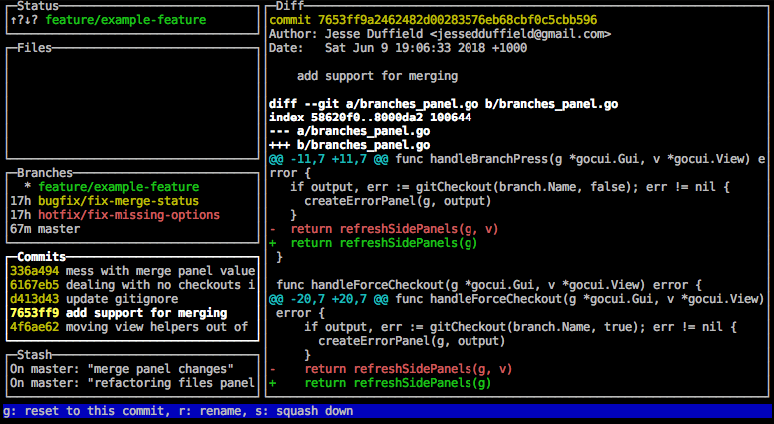
Two mid-week findings worth sharing: lazydocker - which I tried first and lazygit - which I started using immediately.
These tools are not new - both have been around for more than five years, I just managed to miss them until today somehow.

vind

You might say: “Wasn’t this possible with Kind?”. In theory - yes. In practice that meant DinD and a lot of friction. vCluster takes a smarter path.
radar
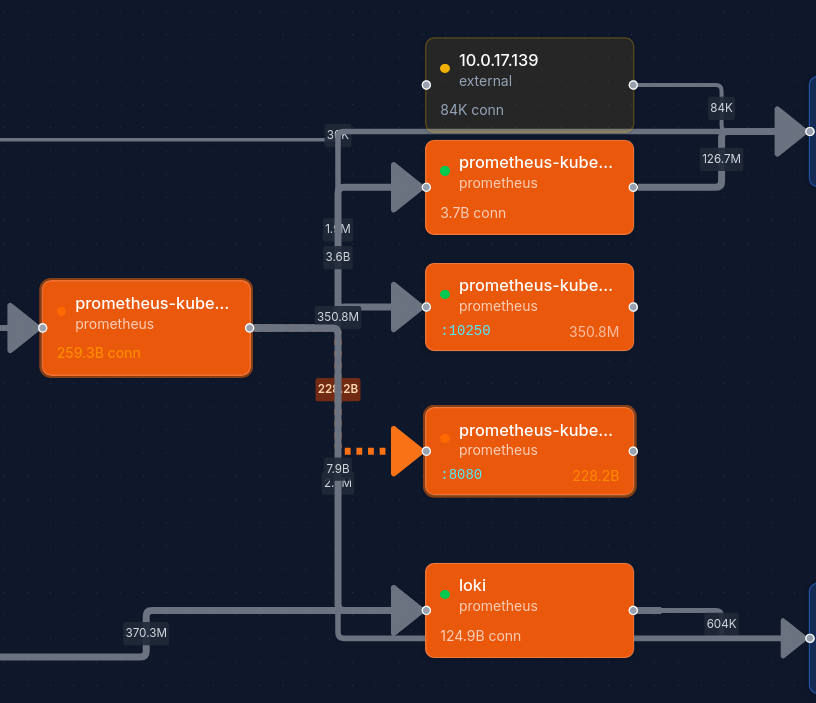
There is already a huge number of alternatives to Kubernetes tooling for every purpose - especially when it comes to observability 📈 - from full-stack platforms to simple add-ons, open source or enterprise. I know I won’t shock anyone with statements like “live event analysis” or “eBPF-based service maps”. I’ll even abstain from words like “better”, “more” or “faster” - I’d rather say it’s simply a good alternative.

openeverest
Anyone who has ever built a DIY database setup on Kubernetes knows the pain 🤦♂️. Yes, operators from Zalando, CNPG, StackGres, Percona and others have already made life much easier - but you still end up stitching different APIs, UIs, CRDs and workflows together depending on which engine you run.
dragonfly
Dragonfly (d7y) officially became a CNCF Graduated project on January 14, which makes this a perfect moment to talk about it. Dragonfly is an open-source, P2P-based file distribution and image acceleration system - essentially a private BitTorrent for cloud-native environments.

infisical
I’ve been running a self-hosted Vaultwarden for almost 4 years for personal use and I’m quite happy with it: it supports granular access management, item scoping, has a web UI, is fully compatible with the official Bitwarden mobile apps (Android & iOS) and even the Terraform provider.